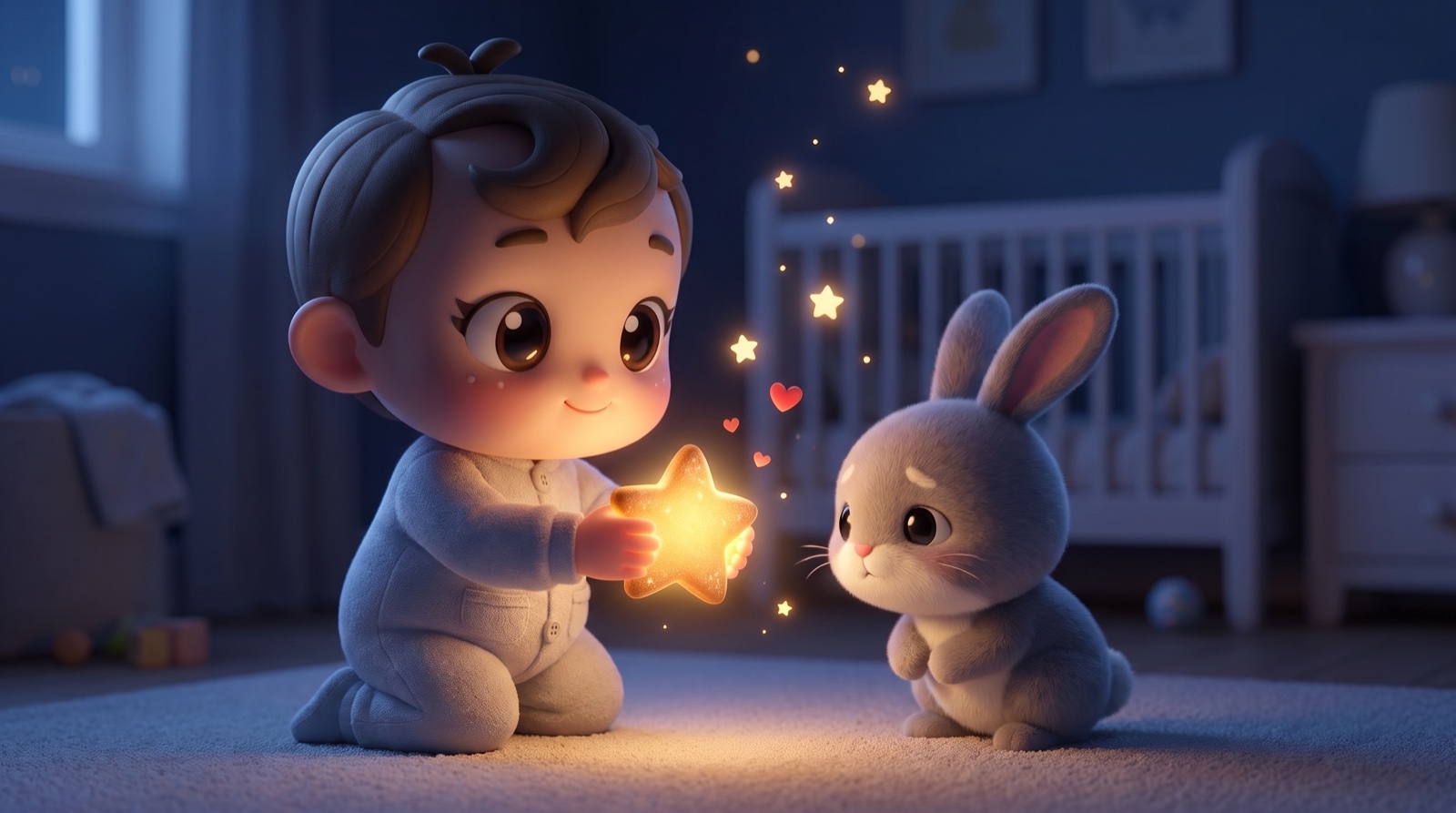
The Lecture That Never Works
Every parent has delivered the kindness speech — share with your sister, say sorry, be gentle — and watched it evaporate by breakfast. It is not that children do not care. It is that abstract rules are hard for young brains to hold. What sticks is not the rule; it is the feeling of a moment when kindness mattered.
Stories Are Empathy Practice
When a child follows a character through a story, they are doing something remarkable: feeling someone else's feelings on purpose. Researchers who study reading call this perspective-taking, and children who get lots of story time tend to get very good at it. Every "oh no, the bunny is lost!" is a tiny workout for the empathy muscle.
Teaching Without Preaching
The trick is choosing stories where the lesson is lived, not announced:
- Let the character struggle — a hero who almost keeps both cookies, then shares, teaches more than a perfectly nice one
- Show the ripple — the best kindness stories show what happens after: the smile, the friendship, the warm glow
- Skip the moral summary — if the story lands, the child gets it; a closing lecture undoes the magic
- Ask one soft question — "what do you think the dragon felt?" opens more than "so what did we learn?"
When the Kind One Is Your Child
Personalized stories add a quiet superpower: the child does not just watch a character choose kindness — they choose it, in the story. When the hero who shares the last star-cookie or helps the lost cloud home has your child's name, the identity settles in gently: I am the kind of kid who helps.
Parents often notice it echo back in real life — "I shared like in my story." That is the whole strategy: not louder lectures, but better mirrors.
A Kindness Tale Made for Your Family
With Bedtime Stories by Luma you can choose a caring theme — helping a friend, welcoming someone new, being gentle with a baby sibling — and get a fully animated story where your child plays the kind hero, tonight.